Where to Take Your Old Pots and Pans for Responsible Disposal
If your kitchen cabinets are overflowing with old cookware, you're not alone. Over time, pots and pans get scratched, burnt, or simply fall out of favor. But tossing them in the trash isn't the most eco-friendly way to dispose of cookware. Do you know where to take your old pots and pans for responsible disposal? In this comprehensive guide, we'll explore the best options for recycling, donating, and repurposing unwanted cookware, ensuring you make a positive impact on the environment.
Why Responsible Cookware Disposal Matters
Most people don't realize that improperly discarded metal cookware can end up in landfills for centuries, contributing to environmental pollution and waste. Responsible disposal of old pots and pans helps conserve resources, reduces pollution, and supports a circular economy.
- Conservation of Resources: Reusing or recycling metals recovers valuable materials that can be transformed into new products.
- Environmental Benefits: Proper disposal prevents harmful chemicals, such as nonstick coatings, from leaching into the soil and water.
- Support for Local Communities: Donating usable pots and pans helps families in need and community organizations.
Assessing Your Old Cookware: Reuse, Recycle, or Trash?
Before you search for places to dispose of cookware, it's important to evaluate the condition of your pots and pans. Here's how:
- Gently Used: Minor scratches, some discoloration, but still functional--these can often be donated.
- Damaged or Broken: Severely warped, cracked, or missing handles? Recycling is likely the best route.
- Non-stick Pans: If the coating is flaking or peeling, they're usually not suitable for donation or standard recycling. Special disposal may be required.
Let's look at where to take your old pots and pans for recycling, repurposing, or donation.
1. Recycling Centers: Giving Old Cookware New Life
Can You Recycle Pots and Pans?
Most cookware is made from metals like stainless steel, aluminum, or copper, which are widely recyclable. However, nonstick coatings (like Teflon), plastic handles, and glass lids may complicate the process. Find out if your local recycling center accepts mixed materials, or if you need to remove accessories like handles or lids before recycling.
How to Prepare Cookware for Recycling
- Remove Non-Metal Parts: Take off any plastic, rubber, or wood handles before dropping them off.
- Clean Thoroughly: Rinse off any food residue to avoid contamination in the recycling process.
- Separate Materials: If your pot or pan has a glass lid, bring it to a separate recycling stream, such as a glass recycling bin.
Where to Recycle Old Pots and Pans
- Municipal Recycling Facilities: Check with your city's recycling program regarding metal cookware.
- Scrap Metal Yards: These facilities accept a wide variety of metals. Even if your pan isn't dishwasher-ready, it could be melted down and repurposed.
- Household Waste Recycling Centers: Some towns have drop-off spots for household items--call ahead to verify cookware is accepted.
Use websites like Earth911 or contact your local waste management authority for a searchable database of recycling locations. This is one of the most environmentally responsible ways to dispose of old pots and pans!
2. Donation: Giving Cookware a Second Life
If your old pots and pans are still in good shape, donation is a fantastic option. Many organizations and families can benefit from pre-loved kitchenware. Here's where you can donate:
- Local Charities and Thrift Stores: Goodwill, Salvation Army, and other secondhand shops often accept gently used cookware.
- Homeless Shelters and Community Kitchens: These facilities always need extra cooking supplies.
- Churches and Religious Organizations: Many run outreach programs that can use cookware donations.
- Freecycle and Buy Nothing Groups: These online communities let you give away items to neighbors for free.
Donation Guidelines
- Clean Your Cookware: Always wipe down pots and pans before donating.
- Check Organization Policies: Some charities may not accept certain materials, such as Teflon nonstick.
- Include Complete Sets, If Possible: Donated sets are more valuable than single pans.
By donating, you're helping reduce landfill waste and assisting those in need.
3. Retailer Take-Back Programs for Pots and Pans
Several major retailers have in-store recycling programs for old cookware. Here are some national chains to consider:
- Bed Bath & Beyond: Frequently hosts recycling events for kitchenware.
- Williams Sonoma: Check for periodic trade-in events where you can swap old pots for discounts.
- Target and Best Buy: While focused on electronics, some stores accept small kitchen appliances and occasionally cookware. Always confirm with your local branch.
Additionally, some brands offer mail-in recycling programs for their products. For example, the cookware manufacturer GreenPan sometimes features return programs to reclaim old pans. Visit the brand's website or call customer service to learn more.
4. Repurposing and Upcycling: Creative Uses for Old Cookware
If your pots and pans aren't fit for cooking--but you want to keep them out of the landfill--consider upcycling! Here are some creative ideas:
- Planters for Herbs or Flowers: Add drainage holes and potting soil for a fun patio planter.
- Garden Tools Organizer: Hang old pans on a shed wall to store hand tools.
- Bird Baths or Feeders: Repurpose large pans into backyard bird stations.
- Wall Art or Clock: Paint and display unique pan designs, or make a funky kitchen clock.
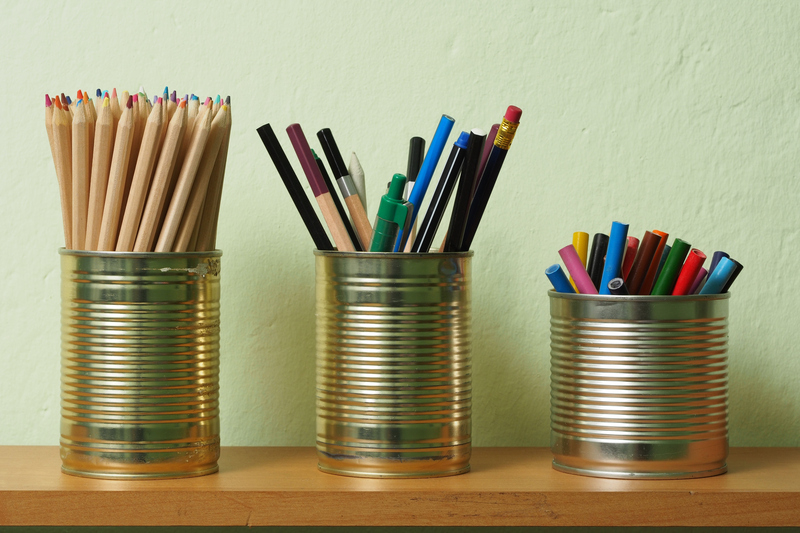
- Storage Bins: Use deep saucepans to organize utensils, toys, or office supplies.
*Repurposing not only reduces waste but also adds a touch of whimsy to your decor!*
5. Specialty Recycling: Handling Nonstick and Coated Pans
Nonstick and ceramic-coated pans present a unique challenge. The PTFE (Teflon) coatings are not recyclable through standard municipal systems.
- Contact Brands: Some nonstick brands have take-back programs.
- Hazardous Waste Facilities: Some municipalities consider peeling nonstick pans as household hazardous waste due to the chemical coatings.
- Check Recycling Center Policies: Call ahead or visit the centers' websites to understand their protocol for nonstick cookware disposal.
Why Not Just Throw Old Cookware in the Trash?
Most landfills aren't equipped to process the metals or coatings used in cookware. Tossing out old pots and pans as regular trash leads to long-term environmental harm, including leaching of harmful substances and wasted resources.
6. Curbside Collection - What to Know
Few curbside recycling programs accept cookware because of material complexity. However, some cities periodically accept metal goods during bulk waste collection days or through "white goods" pick-up.
- Check Local Guidelines: Most city websites detail what's acceptable.
- Special Collection Events: Time drop-offs with seasonal city events to maximize recycling opportunities.
7. Eco-Friendly Alternatives to Pots and Pan Disposal
If you're upgrading your cookware, consider alternatives that produce less waste over time:
- Invest in Durable, Recyclable Materials: Stainless steel and cast iron last a lifetime and are easily recycled.
- Choose Brands with Recycling Programs: Support manufacturers that take responsibility for end-of-life products.
- Buy Only What You Need: Reducing overconsumption leads to less waste in the future.
Frequently Asked Questions
Can You Donate Pots and Pans with Nonstick Coating?
Some charities will accept nonstick pots and pans as long as the coating is not flaking and the item is in good shape. Always check the guidelines of the organization before donating nonstick cookware.
What If There Are No Local Recycling Options?
Look for local scrap metal buyers--a quick internet search can reveal several nearby. Alternatively, ask your city public works department for advice, or use platforms like Earth911 or Call2Recycle to broaden your search.
Can Glass, Ceramic, or Cast Iron Pans Be Recycled?
- Glass Lids: Yes, but generally must go with container glass, not metal. - Ceramic: Rarely accepted via recycling--consider reuse or donation. - Cast Iron: Highly recyclable and valuable at scrap metal facilities!
Conclusion: The Responsible Way to Dispose of Old Cookware
Knowing where to take your old pots and pans for responsible disposal is key to keeping our planet greener and cleaner. Before you toss anything in the trash, remember:
- Assess the condition: Donate lightly used pans, recycle metal ones, and upcycle creatively.
- Use local resources: Municipal recycling, scrap metal yards, and charity shops are your friends.
- Research specialty options: For nonstick and coated cookware, find take-back programs or hazardous waste drop-offs.
- Get creative! Old cookware has plenty of life left as planters, organizers, or art.
With a little research and effort, your old pots and pans can find renewed purpose--supporting the environment, your community, and even your home's creative style.
Further Reading and Resources
Responsible cookware disposal helps you live sustainably and encourages a brighter, less wasteful future. Next time you wonder where to take your old pots and pans, you'll be prepared to make the smartest, greenest choice!