Demolition Waste Removal in Sutton

When undertaking a demolition project in Sutton, one critical aspect that often gets overlooked is the proper removal of demolition waste. Effective waste management not only ensures compliance with local regulations but also promotes environmental sustainability and site safety. Understanding the nuances of demolition waste removal can help property owners and contractors streamline their projects and minimize potential disruptions.
Demolition waste encompasses a wide range of materials, including concrete, wood, metals, and hazardous substances. Each type of waste requires specific handling and disposal methods to prevent environmental contamination and ensure worker safety. In Sutton, specialized waste removal services cater to these diverse needs, providing comprehensive solutions tailored to each project.
Choosing the right demolition waste removal service in Sutton is paramount. It involves evaluating the company's expertise, equipment, and adherence to safety and environmental standards. Reliable service providers not only remove waste efficiently but also offer guidance on recycling and repurposing materials, contributing to a more sustainable construction industry.

The Importance of Proper Demolition Waste Removal
Proper demolition waste removal is essential for several reasons. First and foremost, it ensures compliance with local regulations and environmental standards. In Sutton, disposal of certain materials, especially hazardous ones like asbestos, is strictly regulated. Failing to adhere to these regulations can result in hefty fines and legal complications.
Secondly, efficient waste removal improves site safety. Accumulated debris can pose significant hazards to workers and nearby residents. By systematically removing demolition waste, potential accidents are minimized, creating a safer working environment.
Furthermore, responsible waste management contributes to environmental conservation. Recycling materials like metals, wood, and concrete reduces the strain on natural resources and lowers the carbon footprint of construction projects. Many demolition waste removal companies in Sutton prioritize recycling, aligning with broader sustainability goals.

Types of Demolition Waste
1. Construction Debris
Construction debris includes materials like bricks, concrete, tiles, and drywall. These materials are often bulky and require specialized machinery for efficient removal and transportation. Proper handling ensures that reusable materials are sorted and recycled appropriately.
2. Hazardous Waste
Hazardous waste refers to materials that can pose health risks, such as asbestos, lead-based paints, and chemical residues. Specialized removal procedures and protective equipment are necessary to manage this type of waste safely. In Sutton, licensed companies are equipped to handle hazardous materials in compliance with safety standards.
3. Metals and Recyclables
Metals like steel, aluminum, and copper are highly recyclable. Demolition projects generate significant amounts of scrap metal, which can be repurposed for new construction projects. Recycling metals not only conserves resources but also reduces the environmental impact associated with mining and processing new materials.
Additional Waste Categories
- Wood and Timber
- Plastics and Foam
- Glass and Insulation Materials
Steps Involved in Demolition Waste Removal
1. Assessment and Planning
The initial phase involves assessing the site to identify the types and quantities of waste. Detailed planning ensures that waste removal is carried out efficiently, with minimal disruption to ongoing operations and the surrounding environment.
2. Segregation of Waste
Segregating waste at the source is crucial for effective recycling and disposal. Different categories of waste need to be separated to streamline the removal process and enhance recycling efforts. This step involves organizing materials into designated areas based on their type and disposal requirements.
3. Transportation and Disposal
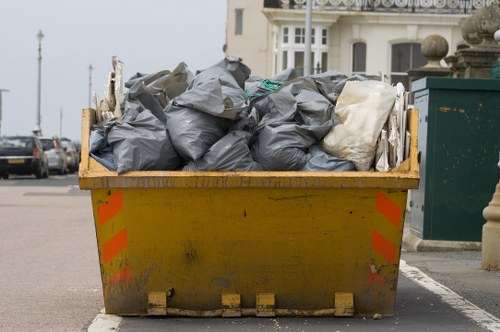
Once segregated, the waste is loaded onto specialized vehicles for transportation. Disposal methods vary depending on the material type. Non-recyclable waste is transported to authorized landfills, while recyclable materials are sent to appropriate recycling facilities.
Efficiency and Timeliness
Timely removal of demolition waste prevents the accumulation of debris, maintaining a clean and safe site. Efficient transportation logistics are essential to minimize delays and ensure that waste is disposed of in accordance with scheduled timelines.
Understanding and implementing these steps can significantly enhance the effectiveness of demolition waste removal, leading to smoother project execution and better environmental outcomes.
Benefits of Professional Demolition Waste Removal Services
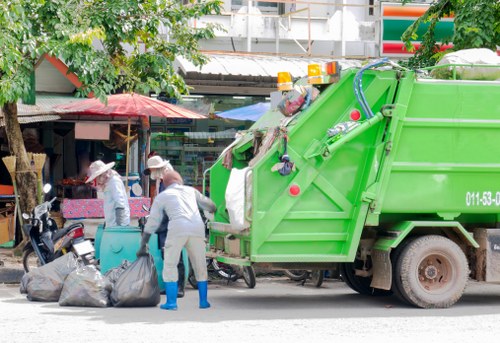
Engaging professional demolition waste removal services in Sutton offers numerous advantages. Experienced providers bring expertise and advanced equipment, ensuring that waste is handled efficiently and safely. They are well-versed in local regulations, ensuring compliance and avoiding potential legal issues.
Moreover, professional services often include recycling and repurposing options, contributing to sustainability efforts. By maximizing the reuse of materials, these services help reduce waste sent to landfills and promote eco-friendly construction practices.
Additionally, outsourcing waste removal allows property owners and contractors to focus on their core tasks without being burdened by the complexities of waste management. It streamlines the overall demolition process, saving time and resources.
Cost-Effectiveness
While hiring professional services involves an upfront cost, it can lead to long-term savings. Efficient waste removal reduces the need for additional labor and minimizes the risk of fines associated with improper disposal. Furthermore, recycling materials can offset some of the costs through resale or repurposing.
- Expertise and Experience
- Advanced Equipment and Technology
- Compliance with Regulations
- Environmental Sustainability
Enhanced Safety
Professional services prioritize safety, implementing measures to protect workers and the surrounding community. Proper handling and disposal of hazardous materials prevent health risks and environmental contamination, fostering a safe and healthy environment.
Incorporating professional demolition waste removal services into your project plan ensures a seamless and efficient process, contributing to the overall success and sustainability of your construction endeavors.
Choosing the Right Demolition Waste Removal Company in Sutton
1. Experience and Expertise
When selecting a demolition waste removal company, consider their experience in handling various types of waste. Companies with a proven track record demonstrate reliability and competence, ensuring that your project is in capable hands.
2. Licensing and Certification
Ensure that the company holds the necessary licenses and certifications to operate legally in Sutton. Proper accreditation indicates adherence to industry standards and regulations, providing peace of mind regarding the quality and legality of their services.
3. Range of Services
Opt for companies that offer comprehensive services, including waste assessment, segregation, transportation, and recycling. A full-service provider can address all aspects of waste removal, simplifying the process and ensuring consistency.
Customer Reviews and Reputation
Research customer reviews and testimonials to gauge the company's reputation. Positive feedback reflects customer satisfaction and the company's commitment to delivering quality services. Recommendations from peers and industry experts can also guide your decision.
Transparency and Communication
Effective communication is key to a successful partnership. Choose companies that are transparent about their processes, pricing, and timelines. Clear and open communication fosters trust and ensures that expectations are aligned throughout the project.
Environmental Impact and Sustainability
Recycling and Reuse
Recycling plays a pivotal role in minimizing the environmental impact of demolition projects. By diverting materials from landfills, recycling reduces waste and conserves natural resources. Metals, wood, and concrete are among the most commonly recycled materials in demolition waste.
Green Initiatives
Many demolition waste removal companies in Sutton are adopting green initiatives to enhance sustainability. This includes using eco-friendly vehicles, implementing energy-efficient processes, and sourcing materials responsibly. Such practices not only benefit the environment but also appeal to eco-conscious clients.
Impact on Local Community
Effective waste removal contributes positively to the local community by reducing pollution and maintaining clean neighborhoods. It also supports the local economy by creating jobs and fostering partnerships with recycling facilities and other businesses.
Long-Term Benefits
Sustainable waste management practices lead to long-term environmental benefits, including reduced greenhouse gas emissions and preservation of natural habitats. They also set a standard for responsible construction practices, encouraging others in the industry to prioritize sustainability.
- Waste Reduction
- Resource Conservation
- Pollution Prevention
Compliance with Environmental Regulations
Adhering to environmental regulations is crucial for maintaining sustainability in demolition projects. Professional waste removal services ensure that all disposal methods comply with local laws, preventing environmental harm and legal repercussions.
Incorporating sustainable practices into demolition waste removal not only protects the environment but also enhances the reputation of businesses involved in construction and demolition in Sutton.
Cost Considerations in Demolition Waste Removal
Factors Influencing Costs
The cost of demolition waste removal can vary based on several factors, including the volume and type of waste, accessibility of the site, and the complexity of the project. Larger projects with extensive waste requirements may incur higher costs due to the increased labor and resources needed.
Budgeting for Waste Removal
Proper budgeting involves accounting for all aspects of waste removal, from initial assessment to final disposal. It's essential to obtain detailed quotes from service providers, considering any additional fees for handling specialized or hazardous materials.
Cost-Effective Strategies
- Early Planning and Assessment
- Prioritizing Recycling and Reuse
- Partnering with Experienced Service Providers
Negotiating with Providers
Negotiating terms and seeking competitive pricing can help manage costs effectively. Discussing the scope of work and exploring flexible service options can lead to cost savings without compromising on quality.
Cost-effective demolition waste removal ensures that projects remain within budget while maintaining high standards of safety and environmental responsibility.
Innovations in Demolition Waste Removal
Advanced Machinery and Technology
Technological advancements have revolutionized demolition waste removal. Modern machinery enhances efficiency, allowing for faster and more precise removal of debris. Automated sorting systems improve the accuracy of waste segregation, facilitating better recycling outcomes.
Digital Management Systems
Digital platforms enable better tracking and management of waste removal processes. These systems provide real-time data on waste quantities, disposal methods, and recycling rates, offering valuable insights for improving operations and sustainability efforts.
Eco-Friendly Disposal Methods
Innovations in disposal methods focus on minimizing environmental impact. Techniques such as on-site waste processing and green landfills contribute to more sustainable waste management practices, reducing the carbon footprint associated with traditional disposal methods.
Future Trends
The future of demolition waste removal lies in further integration of technology and sustainability. Emerging trends include the use of artificial intelligence for waste sorting, increased automation in removal processes, and greater emphasis on circular economy principles that prioritize reuse and recycling.
Adopting Sustainable Practices
Embracing sustainable practices not only benefits the environment but also enhances the reputation of demolition waste removal companies. Clients increasingly seek services that align with their sustainability goals, making eco-friendly practices a competitive advantage in the industry.
Conclusion
Demolition waste removal in Sutton is a critical component of successful and sustainable construction projects. Proper management of demolition debris ensures compliance with regulations, enhances site safety, and contributes to environmental conservation. By choosing professional waste removal services, property owners and contractors can streamline their projects, reduce costs, and support sustainability initiatives.
As the construction industry evolves, innovations in waste removal technology and sustainable practices will continue to play a pivotal role in shaping the future of demolition projects. Embracing these advancements ensures that demolition waste removal remains efficient, effective, and environmentally responsible.
Don’t let demolition waste slow down your project. Contact us today to ensure your waste removal is handled professionally and sustainably.
Take the Next Step
Ready to streamline your demolition project? Book your service now and experience efficient, reliable, and eco-friendly demolition waste removal in Sutton.