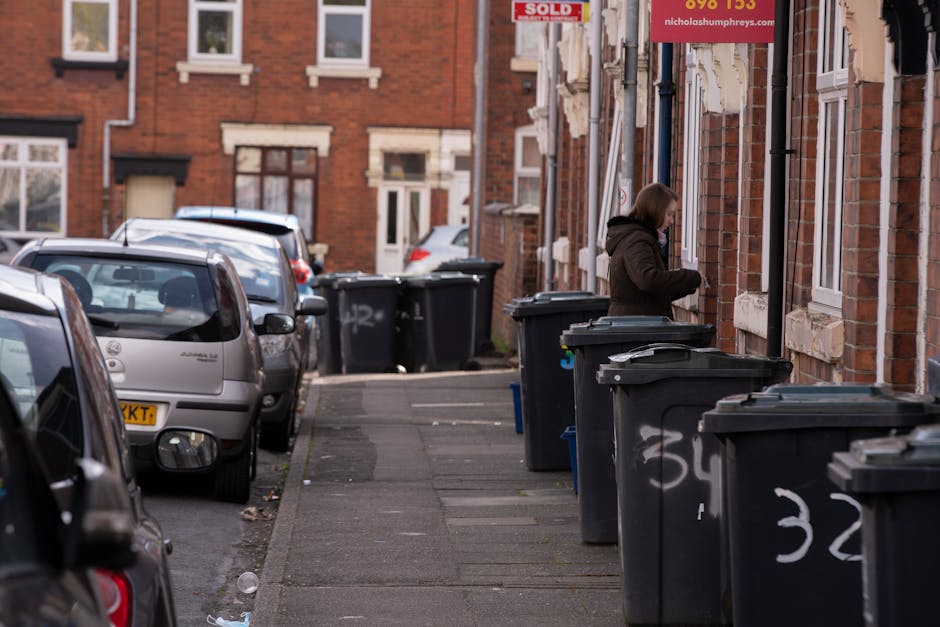
Cheam House Clearances and Rubbish Removal for Tight Access
If you are dealing with a narrow side passage, shared driveway, steep steps, or a terrace with barely enough room to swing a bag, you already know the problem: rubbish removal becomes awkward fast. That is exactly where Cheam house clearances and rubbish removal for tight access needs a smarter approach, not just more muscle. The job is less about brute force and more about planning, access checks, and choosing the right method for the space in front of you.
In Cheam, plenty of homes have the kind of access that looks fine on paper and then proves a bit fiddly on the day. Think awkward rear lanes, parking pressure, low walls, or a loft clearance where every item has to pass down one careful route. This guide explains how tight-access clearances work, what to expect, and how to choose the safest, least stressful option. A good clearance should feel organised, not chaotic. And yes, that matters more than people often realise.
Why Cheam house clearances and rubbish removal for tight access Matters
Tight access changes everything. A straightforward house clearance is one thing; a clearance where the team has to work around narrow gates, parked cars, shared entrances, or a flight of stairs is another. In practical terms, access affects the vehicle choice, the number of trips needed, how long the job takes, and what can be removed safely without damaging walls, flooring, or doorframes.
It also affects your costs and your stress level. When access is difficult, delays tend to snowball. A van may need to park further away. Heavy furniture may need to be dismantled. Larger items may have to come out in sections. None of that is unusual, but it does need thinking through before anyone arrives with a full load and a tight schedule.
For Cheam homeowners, landlords, letting agents, and tradespeople, the real value of a tight-access clearance is simple: it turns a potentially messy job into a controlled one. That matters whether you are clearing a family home after a move, removing builder's rubble from a cramped rear garden, or shifting old furniture from a top-floor flat with a narrow staircase. Truth be told, the wrong method can create more mess than the original pile of rubbish. Nobody wants that.
Expert takeaway: if access is awkward, the best clearance plan is usually the one that reduces handling, protects the property, and matches the vehicle to the space available.
How Cheam house clearances and rubbish removal for tight access Works
The process normally starts with access questions, not with a skip-sized guess. A sensible provider will want to know where the waste is, how it will get out, whether parking is available, and if there are any bottlenecks like shared hallways or low head height. That first conversation is often what separates a smooth clearance from a long day of frustration.
For a tight-access job, the removal method is usually chosen from a small set of practical options:
- Man and van clearance for smaller loads or properties with limited access.
- Wait-and-load skip hire where a skip cannot be left safely or conveniently.
- Grab lorry hire where waste can be reached over walls or stored in a place the machine can access.
- House clearance teams for full or partial property clear-outs, especially when items need sorting, lifting, and careful handling.
That choice matters because not every property suits the same setup. A narrow Victorian path, for example, may be perfect for a hand-loaded van team but useless for a large skip. A rear yard with poor vehicle access may favour a grab lorry if the waste is reachable from the road. And if your items are spread across a loft, bedroom, and shed, a full-service clearance may be the least painful option.
In a typical tight-access clearance, the team will:
- Assess the access route and likely obstacles.
- Estimate the waste volume and type.
- Choose the safest removal method.
- Protect surfaces where needed.
- Sort waste for reuse, recycling, and disposal.
- Remove the waste efficiently, often in several managed trips.
- Tidy the area so you are not left with a half-finished mess.
Some jobs need extra care. For example, bulky wardrobes may need to come apart before they can move. Old fridges, mattresses, or sofas may need a separate handling plan. If you are unsure what can go in a skip or how mixed loads should be managed, it is worth checking the guidance on what can go in a skip before booking. That little bit of homework saves awkward surprises later on.
Key Benefits and Practical Advantages
The biggest benefit is obvious: the waste disappears without your access limitations turning into a nightmare. But the real advantages go a bit deeper than that.
- Less property damage because items are moved in a controlled way, rather than dragged through a tight doorway and hoped for the best.
- Better time management because the team can plan the job around the actual access route, not a fantasy version of it.
- More suitable vehicle choice which often means fewer failed visits and fewer awkward parking problems.
- Cleaner sorting and disposal because mixed loads can be handled properly, with recycling where possible.
- Reduced physical strain for you, especially if the job involves stairs, lofts, or heavy items.
There is also a less obvious advantage: peace of mind. A tight-access clearance is often happening at an already busy moment in life. Maybe you are preparing a sale. Maybe a tenant has left in a hurry. Maybe you are trying to clear a relative's home and the whole thing feels emotional, a bit heavy, and very time-sensitive. Having a team that understands awkward access can take a surprising amount off your shoulders.
If the job is a household clean-out rather than a single pile of junk, the broader house clearance service can be a good fit. If you only need loose waste and bulky items gone, rubbish removal may be the simpler route. The right fit depends on volume, access, and how hands-on you want the process to be.
Who This Is For and When It Makes Sense
This kind of service is not only for big house moves. In fact, some of the most awkward jobs are small in volume but difficult in access. A few broken appliances in a basement, a loft full of old boxes, or post-renovation debris from a rear alley can be more awkward than a larger but open-access job.
You may need tight-access clearance if you are:
- Clearing a terrace or mid-terrace house with a narrow side return.
- Removing furniture from a flat with stairs or no lift.
- Dealing with a property that has restricted parking.
- Clearing a garden or shed through a single narrow gate.
- Managing builder's waste from a compact site or rear extension.
- Sorting out a property that has been left cluttered after a move-out.
It also makes sense when timing is tight. Some customers need a same-day solution because there is an inspection, handover, or move-in deadline. If that sounds familiar, a same-day skip hire option may be useful, although it is still subject to access and space. And if the vehicle cannot stay on site, a wait-and-load skip hire approach can be much easier than arranging a permit and hoping nothing gets in the way.
In our experience, people often underestimate access until the first quote conversation. Then the penny drops. That is normal. Better to discover it early than halfway through a clearance with a wardrobe wedged in a doorway. A bit dramatic? Yes. Uncommon? Not really.
Step-by-Step Guidance
If you want the job to go smoothly, think of it as a short project rather than a one-off collection. The more clearly you define the access, the easier the rest becomes.
1. Walk the route before you book
Look at the path from the waste source to the vehicle point. Check widths, corners, steps, gate latches, low branches, and any place where a person carrying a bulky item would have to twist or lift awkwardly. If you have a phone torch, use it for dark hallways or cellar steps. It sounds obvious, but daylight can hide all sorts of things until the evening job starts.
2. Separate items by type if you can
Put general household waste, bulky furniture, metal, appliances, and any questionable items into rough groups. You do not need a perfect system. Just enough order to speed things up. If you have electricals, fridges, or anything potentially hazardous, mention that in advance rather than leaving it as a surprise on the doorstep.
3. Measure the awkward bits
Door widths, stair turns, loft hatches, and garden gate openings matter more than people think. A clearance team can often adapt, but they need to know where the pinch points are. Even a rough measurement helps. A centimetre here, a centimetre there - suddenly it all matters.
4. Decide whether you need a permit or a no-stay option
If a skip or vehicle cannot remain on private land, you may need to think about a permit or a different collection style. For some situations, the most practical option is to use a service designed for difficult access rather than forcing a standard drop-off. The broader skip hire and skip hire permits pages are useful if you are comparing options.
5. Share photos and honest notes
A few clear photos of the entry route, the waste pile, and the parking position can prevent misunderstandings. Be honest if there is a steep drive, a locked gate, or no turning space. No judgement. It is much better to say, "This is a bit tight," than to hope the team will magically fit through a 70cm gap. They will not. Not with a sofa, anyway.
6. Keep the route clear on the day
Move cars, unlock gates, and make sure pets, children, and fragile items are out of the way. If access is through a shared hallway, let neighbours know. A calm first ten minutes makes the whole clearance feel easier.
Expert Tips for Better Results
Here are the details that tend to make the biggest difference. These are the things a seasoned crew watches for instinctively.
- Use the smallest practical vehicle or method rather than assuming bigger is better. Bigger often just means harder parking and longer handling distances.
- Plan for dismantling if bulky furniture, beds, or sheds will not fit through the route intact.
- Keep fragile surfaces protected with basic coverings on floors, bannisters, and corners if the route is especially narrow.
- Ask about recycling and sorting if the load includes mixed materials. A good team should be able to explain what happens next.
- Be realistic about timing. Tight access jobs often take longer than open-drive jobs, and that is perfectly normal.
Another useful tip: if the waste is close to the road and can be safely loaded quickly, consider whether grab lorry hire might save you a lot of carrying. If the waste is inside the property and needs to come down carefully, a man and van style collection may be the more flexible option. Different jobs, different tools. Simple, really.
And if the clearance involves bulky furniture or a few stubborn items, services like mattress and sofa disposal or fridge and appliance removal can take a lot of the hassle out of the job. The little details matter because that is where clearance jobs usually go sideways.
Common Mistakes to Avoid
The most common mistake is underestimating access and overestimating what a standard collection can manage. That sounds blunt, but it saves time and money. A second mistake is failing to mention stairs, narrow turns, or parking restrictions until the team arrives. By then, everyone is already on site and trying to solve a problem that should have been solved earlier.
- Booking the wrong service type for the access available.
- Assuming all bulky items can be carried in one piece.
- Ignoring permit or parking constraints if the vehicle needs roadside space.
- Mixing prohibited or tricky waste types with general rubbish.
- Leaving loose items scattered so the team has to spend time gathering rather than removing.
There is also the old classic: measuring the doorway with optimism. I've seen people swear a wardrobe "definitely fits" when, in practice, it needed to be turned, lifted, and partially dismantled just to get started. No shame in it. It happens all the time. But the smoother jobs are the ones where the measurements are checked before the van appears.
Tools, Resources and Recommendations
You do not need specialist equipment for a successful house clearance, but a few simple tools can make awkward access much easier to manage.
- Tape measure for doors, gates, stair turns, and loft hatches.
- Basic gloves if you are sorting through dusty or rough-edged items.
- Torches or phone lights for cellars, lofts, and hallways with poor light.
- Furniture blankets or sheets to protect walls and floors during short moves.
- Labels or markers to separate keep, remove, recycle, and shred piles.
On the service side, a few related pages can help you compare the best fit before you book. For example, skip sizes and prices is useful if you are weighing up volume against budget, while enclosed and lockable skip hire may suit jobs where you need extra security or a tidier appearance on site. If your clearance is commercial or renovation-related, the broader builders waste removal and construction waste clearance pages are also worth a look.
If you are trying to keep the space tidy and the process efficient, it can help to read about the company's recycling and sustainability approach too. A reliable clearance should not just remove waste; it should handle it responsibly. That is part of the service, not an add-on.
Law, Compliance, Standards, or Best Practice
Waste removal in the UK needs to be handled carefully, especially where mixed waste, appliances, or potentially hazardous materials are involved. Without getting bogged down in legal jargon, the key best practice is straightforward: waste should be transferred, handled, and disposed of by a responsible operator, and the customer should be honest about what is being removed.
If you are clearing a home, it is worth separating any items that need special handling. That includes fridges, electrical equipment, confidential paperwork, and anything that may fall into the hazardous category. Some materials cannot be put with general waste, and some need extra precautions before collection. If you are unsure, the safest route is to ask before the booking rather than guess on the day.
Good operators should also be insured and operate with sensible safety procedures. If a team is manoeuvring items through tight hallways or across uneven ground, they should be thinking about protection, lifting method, and access safety. You should not need to manage that yourself, but it is reasonable to expect it. A proper clearance is part logistics, part care.
For deeper reassurance, it can help to review pages such as health and safety policy, insurance and safety, and hazardous waste disposal if your load includes anything unusual. The point is not to overcomplicate matters. It is to avoid preventable problems. That is what good practice looks like in real life.
Options, Methods, or Comparison Table
Different access problems call for different solutions. The best choice depends on what you are removing, where it is, and how much room you actually have.
| Method | Best for | Strengths | Limitations |
|---|---|---|---|
| House clearance team | Full or partial home clear-outs with difficult internal access | Hands-on, flexible, suited to sorting and lifting | May take longer for large volumes |
| Rubbish removal | General waste, bulky items, smaller loads | Simple, quick, minimal disruption | Not ideal for large mixed clearances |
| Wait-and-load | No space for a standing skip or vehicle stay | Works well in busy streets or awkward parking spots | Needs the waste ready to load promptly |
| Grab lorry hire | Waste reachable from the roadside or over a wall | Fast for bulky outdoor waste and rubble | Needs suitable reach and access from the road |
| Man and van | Flexible small-to-medium clearances | Good for narrow access and varied loads | Capacity may be limited compared with larger setups |
In practical terms, if the waste is already piled neatly and the access route is short, wait-and-load or man-and-van may be best. If you have lots of mixed items inside the property, a clearance team is often the better call. If the waste is outside and reachable, grab lorry services can be very efficient. There is no universal winner. There is only the right fit for the space you have.
Case Study or Real-World Example
Picture a typical Cheam terrace: modest front access, a narrow side passage, and a rear garden that can only be reached through the house. The homeowner wants to clear a mix of old furniture, broken shelving, garden bags, and a few loft items before a sale. A standard skip would have blocked the street, and the narrow route made loading awkward.
Instead, the job was approached in stages. First, the team checked what could come out intact and what needed dismantling. A wardrobe came apart quickly. Two mattresses were carried carefully through the hallway with corner protection in place. The garden waste went separately so it would not contaminate the rest of the load. The load was then removed in an orderly sequence, with the vehicle positioned to minimise carrying distance.
The result was not dramatic, and that was the point. No scratched bannisters. No blocked driveway. No pile of junk sitting on the path at the end of the day. Just a cleared property, a tidier garden, and one relieved homeowner who could get on with the sale paperwork over a cup of tea. Honestly, that is often what a good clearance looks like. Quiet, efficient, and oddly satisfying.
Practical Checklist
Use this before you book or on the morning of the clearance.
- Walk the route from the waste to the exit.
- Measure doors, gates, hallways, stair turns, and any loft hatch.
- Move cars or arrange parking space where possible.
- Separate general waste from appliances, furniture, and anything hazardous.
- Tell the provider about stairs, low walls, narrow lanes, or locked gates.
- Decide whether you need a skip, wait-and-load, man and van, or full clearance.
- Protect floors or walls if the route is especially tight.
- Keep pets and children away from the work area.
- Confirm what cannot be taken before the team arrives.
- Make sure the waste is accessible and not spread across multiple rooms without warning.
If you can tick most of those off, you are already ahead of the game.
Get a free quote today and see how much you can save.
Conclusion
Cheam house clearances and rubbish removal for tight access are all about making a difficult space work without drama. Once you understand the access, choose the right method, and prepare the route properly, the whole process becomes much more manageable. What looks awkward at first often turns out to be straightforward with the right planning.
Whether you are clearing a small flat, a family home, a rear garden, or a cluttered loft, the key is not to guess. Measure, describe the access honestly, and pick the service that suits the property rather than trying to force the property to suit the service. That one habit saves a surprising amount of hassle.
If you want to explore related options or check practical service details before booking, the most useful next steps are to review the relevant pages on skip hire, wait-and-load skip hire, and pricing and quotes. A little clarity now makes the day itself far easier. And that, in the end, is what a good clearance should do: take a weight off your mind as well as your property.
Frequently Asked Questions
What counts as tight access for a house clearance?
Tight access usually means there is limited room for moving items, loading waste, or parking a vehicle. That might be a narrow side passage, a steep step, a small gate, a shared hallway, or a road with little stopping space.
Can rubbish removal still work if a skip cannot fit outside?
Yes. In many cases, a man and van collection, wait-and-load service, or grab lorry solution can work better than a standard skip. The best option depends on where the waste is and how quickly it can be loaded.
Do I need to measure doors and gates before booking?
It is strongly recommended. Even rough measurements help a lot, especially for bulky furniture, appliances, or items coming down stairs. A few minutes with a tape measure can save a lot of awkwardness later.
What if my property has no parking nearby?
That does not automatically stop a clearance, but it does affect the planning. The team may need a longer carry distance, a different vehicle, or a timed loading approach. Mention parking honestly when you enquire.
Can you clear a house with stairs and no lift?
Yes, but stairs increase handling time and care requirements. A service such as house clearance or man and van is often better suited than trying to use a standard skip arrangement.
Are tight-access clearances more expensive?
They can be, because they may take more labour, more time, or a more specialised vehicle. That said, the cost is usually tied to the access challenge and the volume of waste, not just the postcode.
What happens if some items are too big to fit through the route?
They are often dismantled first if that is safe and practical. Sofas, wardrobes, and beds are common examples. If dismantling is not possible, the team may need to use a different access point or method.
Can I mix furniture, bags, and garden waste together?
Sometimes yes, but it depends on the service and the waste type. Mixed loads are common, but items that need special handling should be identified in advance. If you are unsure, ask before collection.
Do I need a permit for a skip in Cheam?
If the skip is going on a public road or other highway-adjacent area, a permit may be needed. If it can go on private land, that may not be necessary. The exact requirement depends on the placement and local conditions.
Is same-day clearance possible for awkward access jobs?
Sometimes, yes. It depends on scheduling, vehicle availability, and the complexity of the access. For urgent jobs, same-day skip hire or a fast collection option may be worth asking about.
Can I get rid of old appliances and a sofa in one go?
Usually yes, provided the provider can handle both item types. Appliances may need separate handling, while sofas and mattresses can often be taken alongside general bulky waste. Always mention them in advance.
How do I know which service is best for my property?
Think about three things: access, volume, and how quickly you want everything gone. If the waste is inside a property with narrow routes, clearance or man-and-van options are often easiest. If the waste is outside and easy to reach, a grab or skip-style solution may suit better.
What should I do before the team arrives?
Clear the access route, separate obvious waste types, unlock gates, and move vehicles if needed. If possible, take a few photos of any tricky spots so the team can prepare properly. It sounds simple, but it really helps.